
Pet Health Records
Pet Health Records: What to Keep and How to Organize Them
Your pet’s history can be scattered across clinics, emails and paper folders. Build one clear collection for your next vet visit, move or trip.
Start with the records you already have
Keep copies of veterinary visit notes, vaccination certificates, test results, medication instructions and your pet’s identification. Add new documents after each visit and keep the originals unchanged. A short summary helps you find key facts; it should sit alongside the full records.
What belongs in your pet’s health history?
| Record | What to save |
|---|---|
| Identity and contacts | Pet’s name, species, date of birth if known, microchip number, your contact details and clinic contacts. |
| Vaccination evidence | Certificates and clinic records showing the vaccine, date and relevant identifying details. A reminder email is not the same as a certificate. |
| Visits and procedures | Examination notes, diagnoses, surgery and dental records, and discharge instructions. |
| Tests and imaging | Laboratory reports, imaging reports and access to the original images when the receiving clinic needs them. |
| Medications and reactions | Current written instructions, prescription labels and recorded allergies or past reactions. Keep discontinued treatments clearly separate. |
| Travel documents | Health certificates, permits and supporting test or treatment records, grouped by trip. |
This is an organization checklist, not a list of tests or treatments your pet needs. Your veterinarian decides what care is appropriate.
Ask each clinic for the missing pieces
A regular veterinarian, emergency hospital and specialist may each hold different records. Ask for the complete clinical record and relevant attachments, then check what arrived. A payment receipt may list services without the clinical findings.
The AVMA’s guide to choosing a veterinarian recommends transferring copies to the new practice when you move. Ask the clinic about its release process, timing and any fees; requirements vary by location. Use our Medical Records Transfer Checklist for the request and follow-up steps.
Make the collection easy to use
- Give each pet a separate home for records. Keep documents for pets with similar names clearly separated.
- Name files consistently. For example: 2026-10-18_Sadie_ClinicName_LabReport.pdf. Preserve the clinic’s original content.
- Group by purpose. Use categories such as vaccines, visits, tests, medications and travel.
- Keep a current overview. Note the date you last checked it and mark anything you still need to confirm.
- Back up essential copies. Test that you can open them when you need them, including away from your usual device.
After a visit, save the new report, check whether instructions changed, and set aside any questions for the clinic. Do not silently correct a medical entry yourself. Ask the issuing clinic to clarify or amend it.
Share what the next person needs
A new veterinarian may need the full history. A boarding provider may only ask for vaccination evidence. Confirm the recipient and send the relevant documents through the method they request. Avoid posting identifiable medical records on a public page.
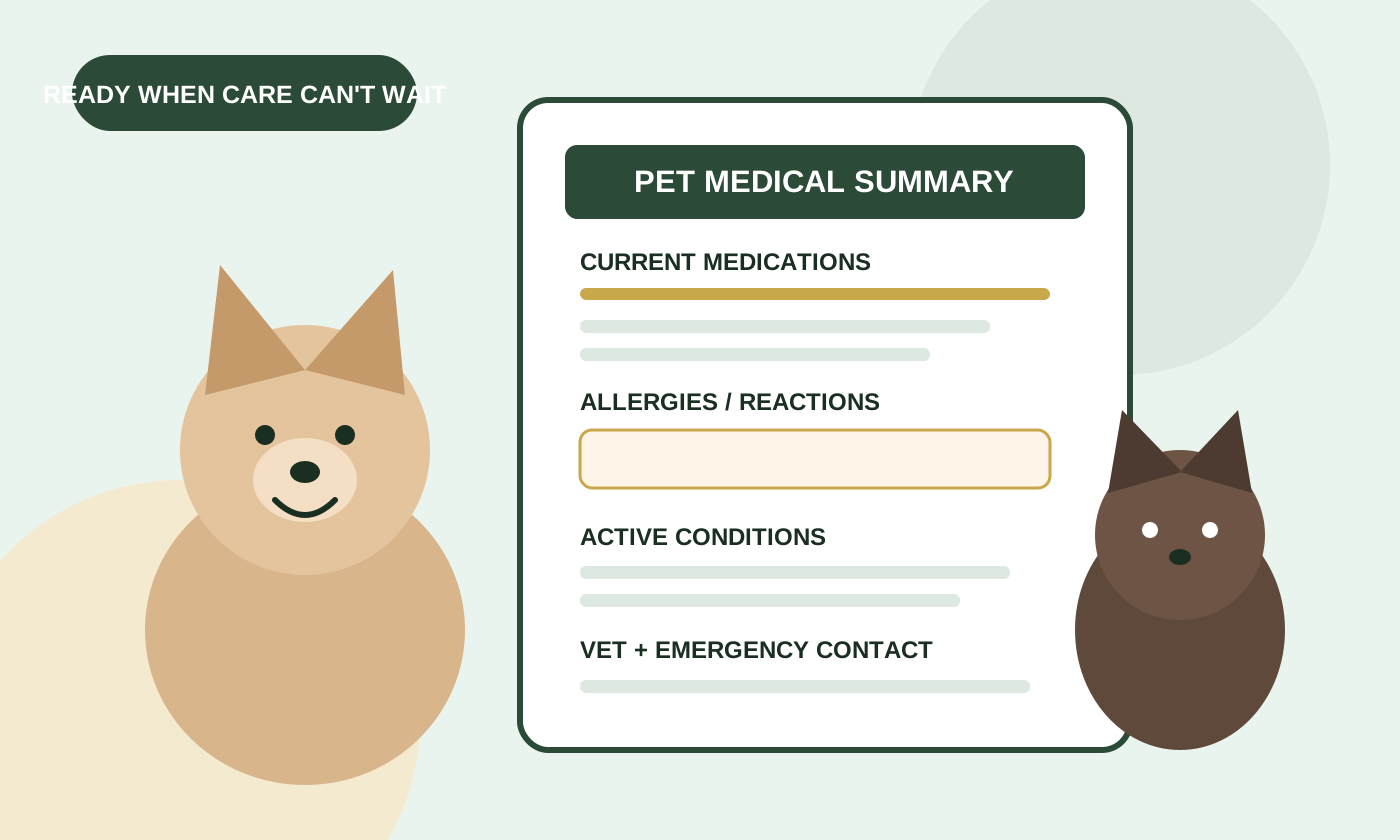
For urgent care, keep your regular clinic’s contact details and a short medical summary accessible. Do not delay urgent veterinary care while collecting files. For a move, read switching vets without losing the history.
Are digital copies enough for travel?
They help you organize and recover information, but they do not replace official documents where an authority requires them. Check the destination and carrier rules. For example, the October 2026 EU certificate guide explains the current form changes for U.S. departures. YourPetPass is a record organizer, not a government-issued pet passport.
Build your record routine
- Prepare a medication list for vet visits
- Pack an emergency records kit
- Keep records accessible while travelling
Sources and scope
Reviewed October 18, 2026. This practical filing system is editorial guidance, not veterinary treatment advice or a promise about record-release laws.
Your pet’s health history belongs with you.
Keep vaccines, medical records and travel documents together for every trip and vet visit.
Free to start at YourPetPass.com